Vintage hi-fi · Tape · The home audio archive
Keep the old machines running. Save what is on the tape.
Careful, sourced guides for people who own classic audio equipment or a box of old recordings: how to transfer them properly, what wears out and how it is fixed, and how to buy well secondhand.
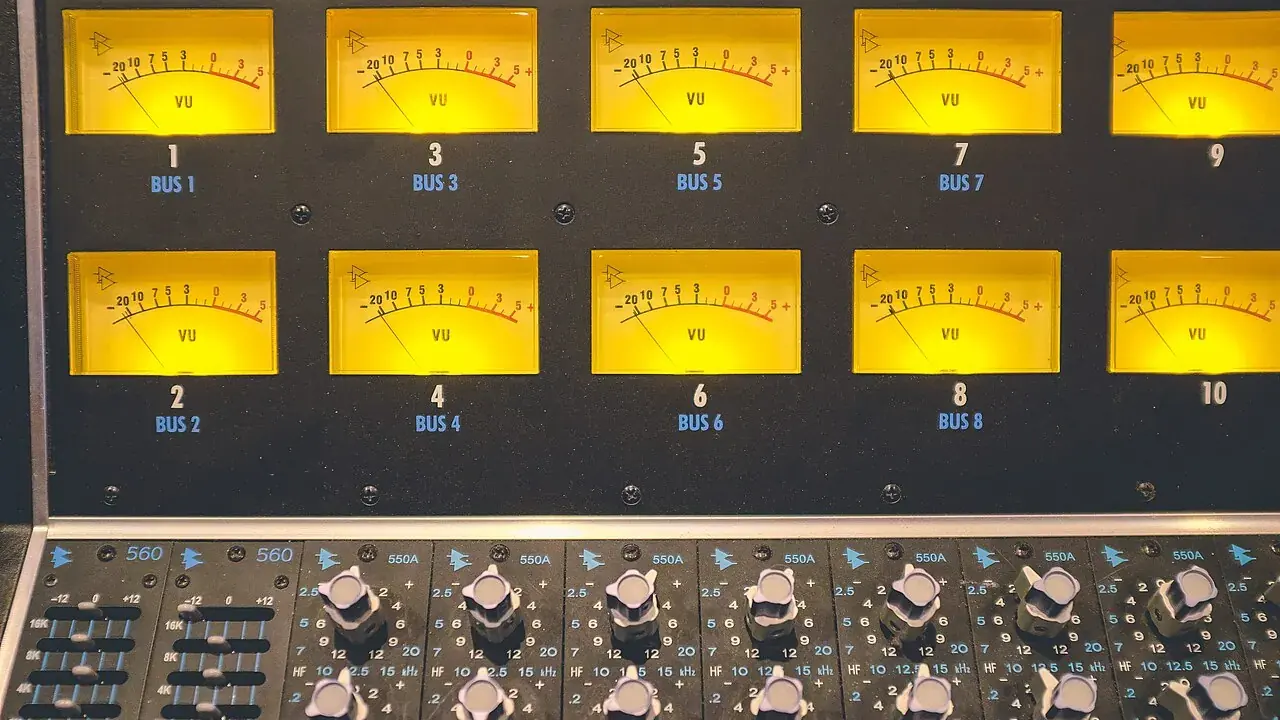
Meter bridge of a recording console. Photo: author not named, Wikimedia Commons, CC0 1.0.

Contents
A Recording & transfer
B On the bench
Side A
Recording & transfer
Getting music off reel-to-reel, cassette, DAT and MiniDisc, keeping the files safe, and making simple stereo recordings of your own.
All of side A A2 · Start here for tape
Reel-to-reel and cassette to digital, without hurting the tape
Read the box, look at the pack, spot sticky shed before it gums the heads, match track format and speed, set azimuth by ear, decode Dolby only when it was used, and capture once at 24 bits.
Read the guide Recording & transfer
Digitising a home music archive
Sort, prioritise, capture once, name it well, keep three copies. The plan behind every transfer guide.
 Recording & transfer
Getting audio off DAT tapes
A healthy deck, a digital output, the native sample rate, and a check for errors.
 Recording & transfer
MiniDisc to digital
SP or MDLP, NetMD or Hi-MD, USB upload or real-time optical capture: which route fits your discs.
 Recording & transfer
Point-source stereo recording
Two microphones, one position: XY, ORTF, AB and Blumlein compared, with the standard angles.
A capacitor does not know the plug is out. Discharge it, measure it, then touch it.
The first rule of every bench job, from What fails in vintage hi-fi and Vacuum tubes in hi-fi.
Side B
On the bench
What wears out in vintage amplifiers, receivers and decks, how vacuum tubes work in hi-fi, and the service documents that explain it all.
All of side B On the bench
What fails in vintage hi-fi
Capacitors, pots, relays, belts and bias, and why safety comes before any of them.
 On the bench
Vacuum tubes in hi-fi
Preamp, power and rectifier tubes, matched pairs, testers, bias, and lethal voltages.
 On the bench
Service manuals and schematics
Where legitimate copies live, what a service manual contains, and how to read a schematic.
Side C
Buying & collecting
Buying used gear with open eyes, tracking down rare components, building a good system for very little, and the makers behind the classics.
All of side C- Buying used vintage hi-fiResearch the model, read the listing like a technician, test every control, and budget for a service.
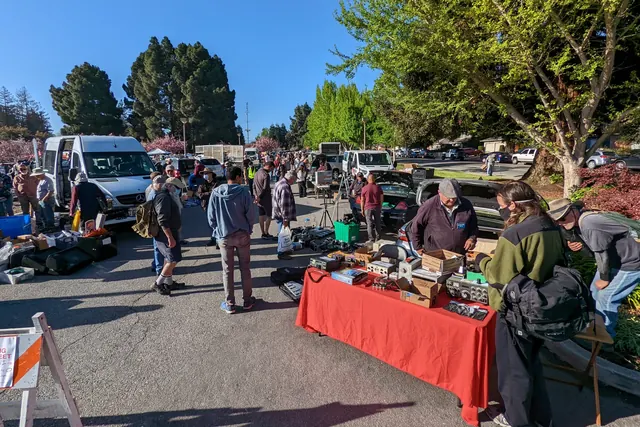
- Buying a reel-to-reel deckQuarter-track or half-track, head wear, pinch roller, brakes and tension.
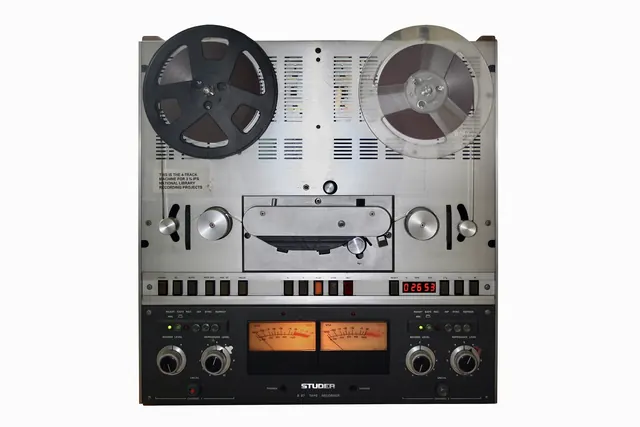
- Tracking down rare componentsPart numbers, saved searches, clubs, parts donors and counterfeit traps.
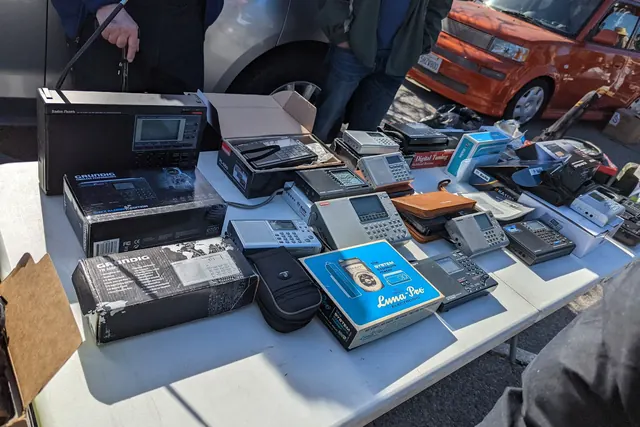
- Good hi-fi on a tiny budgetSpeakers first, secondhand amplifiers, free gains from placement.
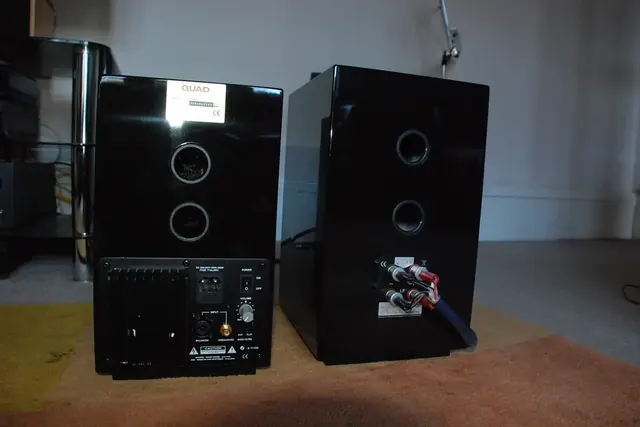
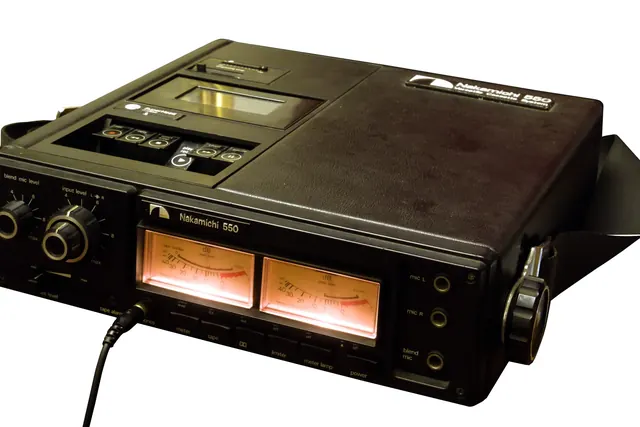
- The makers behind classic hi-fiNakamichi, Denon, McIntosh, Marantz, Revox and Studer, Technics.
Liner notes
Quick answers
All questions and answersHow Capstan works
Checked, not guessed.
Capstan sells nothing and offers no services: no repairs, no transfers, no appraisals, no affiliate links. Technical points are checked against archive guidelines (IASA, the Library of Congress, the U.S. National Archives), manufacturers' documentation and safety guidance, and every guide lists its sources.